


Highlights
Innovative Learning Solutions for 2025
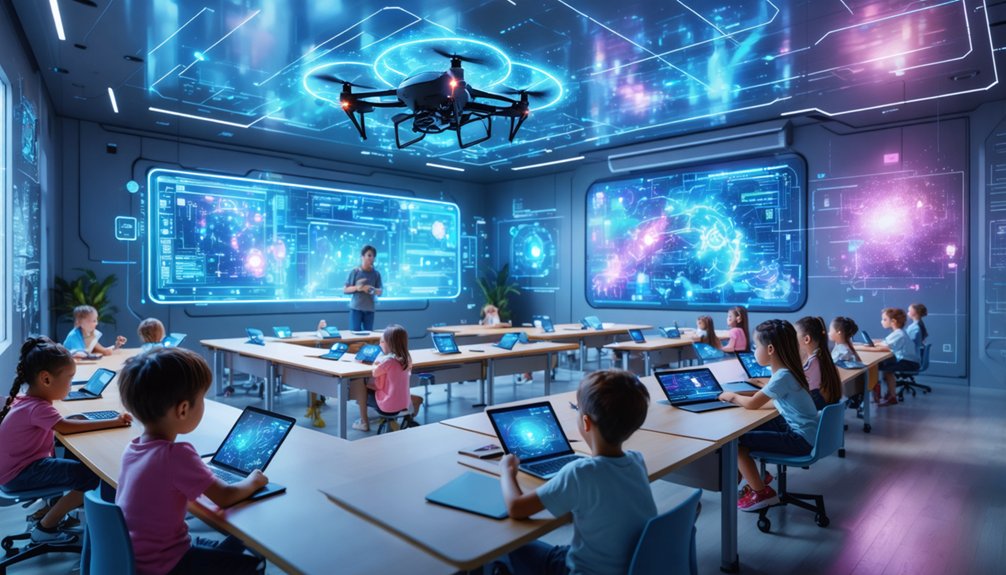
Students and teachers can benefit from various digital tools designed to make learning more engaging and effective. Some notable examples include:
- Gamified learning platforms that use quizzes, rewards, and immersive experiences to motivate students and foster knowledge retention.
- Automated grading tools that utilize AI-driven assessment to identify student strengths and weaknesses, providing personalized feedback for targeted interventions.
- Interactive simulations and virtual field trips made possible by virtual and augmented reality applications, which broaden perspectives and increase accessibility for diverse learners.
- Digital collaboration tools like Google Workspace that facilitate secure communication, streamline file management, and support teamwork with real-time editing capabilities.
- Personalized learning platforms that employ adaptive strategies to tailor instruction to individual learning styles, promoting academic success.
“The key to successful learning is engaging students on their own terms. Technology can help us do that by providing personalized, interactive experiences that make education more accessible and enjoyable.”
By incorporating these digital tools into their curriculum, teachers can create a more immersive and effective learning environment that caters to the diverse needs of their students. For instance, Google Workspace offers a range of collaboration tools that can be used to facilitate group projects, promote peer review, and provide instant feedback.
Overall, the integration of technology in education has the potential to revolutionize the way we learn, making it more engaging, effective, and accessible for all.
Interactive Learning Platforms
Interactive learning platforms have transformed traditional teaching methods by incorporating technology into classrooms. These platforms offer an engaging experience, fostering a sense of community among students. Quizzes are a valuable tool for reinforcing knowledge, allowing students to assess their understanding in real-time and receive immediate feedback. This feedback is crucial for self-assessment and improvement. Collaborative projects encourage students to work together, developing essential teamwork skills and promoting a sense of belonging.
Educators can create an inclusive and interactive learning environment that caters to diverse learning needs by utilizing these tools. Technology will continue to play a significant role in shaping the future of education, providing innovative ways to engage students.
Educational institutions now use interactive learning platforms to provide an immersive experience. Learning is no longer a one-way process. It’s an interaction between the educator and the learner. Interactive quizzes, discussions, and Q&A sessions have changed how students process and retain information. This approach has increased student engagement and participation in classrooms.
To facilitate easy learning, many interactive platforms now incorporate advanced features. They use multimedia, gamification, discussion forums, and polls to enhance the learning experience. These features allow learners to interact with course materials and peers from anywhere.
Factors contributing to the increasing popularity of these platforms include the rising need for remote learning and self-paced courses.
Yuichiro Chikashige, a developer of an education app, emphasizes that “Interactive learning platforms can potentially redefine how students approach education and collaboration. Customizable courses on such platforms allow educators to focus on students’ individual strengths and weaknesses.”
Moreover, popular platforms now also integrate AI-driven tools to offer personalized learning pathways. This approach helps learners bridge knowledge gaps and accelerate learning. Many of these platforms focus on social learning, encouraging learners to participate in discussions, projects, and other group activities to enhance engagement and promote team skills.
To ensure widespread adoption and successful implementation of these interactive tools, institutions need to develop a comprehensive strategy. This strategy should include infrastructure development, teacher training, and maintenance support for seamless integration. Effective integration can make learning more accessible, convenient, and enjoyable.
Transforming Education with AI-Driven Assessment Tools
The integration of AI-driven assessment tools is revolutionizing the way we approach education. By automating grading, educators can focus on providing personalized instruction, leading to a more supportive learning environment. AI analyzes student responses to deliver detailed feedback, pinpointing strengths and areas for improvement. This inclusive approach caters to various learning styles, ensuring all students feel understood and equipped to succeed.
As education continues to evolve, AI-driven assessments seamlessly merge technology and pedagogy. By creating a shared understanding of learning goals and outcomes, these tools foster a sense of belonging within the educational community. The significance of AI-driven assessment tools lies in their ability to streamline the evaluation process, freeing educators to devote more time to what matters most – helping students thrive.
A New Era in Assessment and Feedback
The traditional assessment landscape is being transformed by AI-driven tools. With their ability to analyze vast amounts of data, these tools can identify knowledge gaps and recommend targeted interventions. This not only enhances the learning experience but also empowers educators to refine their teaching methods.
Realizing the Potential of AI-Driven Assessments
To harness the full potential of AI-driven assessments, educators must be willing to adapt their approach. This includes embracing the use of data-driven insights to inform instruction and leveraging technology to create personalized learning paths. By doing so, educators can unlock a more effective and inclusive learning environment that supports the diverse needs of all students.
“In the future of education, AI-driven assessment tools will be the cornerstone of personalized learning, empowering educators to create tailored experiences that foster growth and understanding for every student.”
Creating a Brighter Future for Education
The integration of AI-driven assessment tools marks a significant milestone in the evolution of education. As these tools continue to improve, we can expect to see a transformative impact on the way we teach and learn.
Virtual Reality in Education
Redefining Education with Virtual Reality
Virtual reality (VR) is transforming the educational environment by providing immersive experiences and interactive simulations that engage students. In a VR classroom, students learn in 3D, developing their spatial awareness and understanding of complex concepts. Interactive lessons become more effective, offering a level of augmented learning that traditional methods often struggle to achieve.
Through virtual fieldtrips, students can explore distant locations and historical events, fostering curiosity and broadening their perspectives. VR plays a vital role in educational gaming, enabling skill development in an interactive and fluid manner. By integrating VR into curricula, educators can create an inclusive learning community where each student feels connected and engaged.
A New Era of Immersive Learning
The integration of VR in education has the potential to revolutionize the way we learn. By providing immersive experiences, VR can increase student engagement and motivation, leading to better academic outcomes. According to a study by the National Center for Education Statistics, students who used VR in the classroom showed significant improvements in their math and science scores.
Making Education More Accessible
VR can also make education more accessible for students with disabilities. For example, students with physical disabilities can participate in virtual fieldtrips and interact with virtual labs, providing them with equal access to educational opportunities.
Additionally, VR can help students with anxiety disorders or autism to feel more comfortable in a virtual learning environment.
The Future of Education
As VR technology continues to evolve, we can expect to see even more innovative applications in education. With the ability to create customized learning experiences, educators can tailor their teaching methods to meet the individual needs of each student.
By harnessing the power of VR, we can create a future where education is not only informative but also deeply immersive and engaging.
“Virtual reality has the potential to democratize access to education, making it possible for anyone to learn anything, anywhere.” – Jeremy Bailenson, Founding Director of the Virtual Human Interaction Lab at Stanford University.
Gamified Learning Applications: Revolutionizing Education
The integration of gamified learning applications into educational environments has proven to be a game-changer. By incorporating game mechanics, these applications increase student engagement and create an immersive learning experience. Key features such as competition elements and reward systems foster a sense of friendly rivalry, motivating learners to achieve their goals. Achievement tracking provides students with a clear indication of their progress, promoting a sense of accomplishment and encouraging them to strive for excellence.
Interactive quizzes and learning analytics offer educators a real-time perspective on student performance, enabling them to tailor instruction to meet individual needs. Feedback loops ensure continuous improvement, reinforcing concepts and identifying areas where students require additional support. This fusion of technology and pedagogy cultivates a collaborative community of learners, driving academic success through innovative and enjoyable educational experiences.
Gamified learning applications also facilitate personalized learning, allowing educators to cater to the diverse needs and abilities of their students. By providing a range of interactive activities and assessments, these applications enable educators to identify knowledge gaps and develop targeted interventions. This approach not only enhances student outcomes but also promotes a more inclusive and supportive learning environment.
In addition to promoting academic success, gamified learning applications also foster soft skills such as teamwork, communication, and problem-solving. By incorporating collaborative activities and group challenges, these applications encourage students to work together, share ideas, and develop essential life skills. This holistic approach to education prepares students for success in an increasingly complex and interconnected world.
As the educational landscape continues to evolve, the integration of gamified learning applications is likely to play an increasingly prominent role. By harnessing the power of technology and pedagogy, educators can create immersive, engaging, and effective learning experiences that inspire students to reach their full potential.
As noted by a leading educator, “Gamified learning applications have the power to transform education, making it more accessible, enjoyable, and effective for students of all ages and abilities.”
Cloud-Based Collaboration Suites
Cloud-based collaboration suites are transforming the way students and teachers interact and work together on projects. These platforms use cloud storage and document sharing to build a sense of community.
Real-time editing and task management tools help team projects succeed. Resources are easy to find because file organization is streamlined. Group discussions and online brainstorming sessions flow smoothly, promoting collective creativity. Immediate feedback helps students understand their contributions.
Users can track changes and maintain document integrity over time with version control. Overall, cloud-based collaboration suites create a cohesive learning environment based on connectivity and shared goals by providing an all-encompassing solution for educational institutions.
Creating a Seamless Learning Experience
Effective collaboration tools are essential for students and teachers. Cloud-based collaboration suites provide a platform for users to share and edit documents in real-time, promoting a sense of community and teamwork.
With features like version control, file organization, and task management, these suites make it easy for users to stay on top of their work and communicate with each other. For example, Google Workspace for Education and Microsoft 365 Education offer a range of collaboration tools, including word processing, spreadsheets, and presentation software.
“In today’s fast-paced educational landscape, cloud-based collaboration suites have become an indispensable tool for students and teachers alike. By providing a seamless learning experience, these suites help promote collective creativity and academic success.”
Personalized Learning Pathways
Personalized learning pathways mark a significant development in modern education. These tailored approaches cater to individual learning styles and paces, ensuring students receive an education that meets their unique needs. By incorporating adaptive learning strategies, educators can refine instructional methods using data-driven insights. This leads to a more engaging and motivating environment for learners.
A customized curriculum design further supports this approach, allowing educators to create content that aligns with each student’s strengths and areas for growth. This targeted methodology promotes academic success and fosters a sense of belonging within the educational community, as students feel understood and valued. The shift towards personalized learning pathways represents a substantial change in educational practices.
Customization is key. Students have different learning styles, and educators must account for these differences to provide effective instruction. A one-size-fits-all approach to education often falls short, leading to disengaged students and poor academic outcomes. Personalized learning pathways address these issues by prioritizing individual needs and promoting a culture of inclusivity.
To implement personalized learning pathways, educators must embrace flexibility. This involves adopting a range of instructional methods and incorporating technology to facilitate learning. By doing so, educators can create a dynamic and responsive learning environment that supports students in achieving their full potential.
The benefits of personalized learning pathways are clear. Students who receive tailored instruction are more likely to experience academic success and develop a positive attitude towards learning.
As the education sector continues to evolve, the importance of personalized learning pathways will only continue to grow. By prioritizing individual needs and promoting inclusivity, educators can create a more effective and supportive learning environment for all students.
Digital Note-Taking Apps
Digital note-taking apps have transformed the way students and teachers approach learning. By combining traditional handwriting techniques with modern digital tools, these apps cater to diverse learning styles. Tactile learners, who prefer the familiarity of pen and paper, can use digital handwriting features to take notes. This blend of old and new methods promotes organization, allowing users to categorize information easily and retrieve it when needed.
In academic settings, digital note-taking apps play a vital role in information retention and retrieval. Cloud synchronization enables users to access their notes across multiple devices, facilitating collaborative learning environments. This functionality helps create an inclusive educational community that values diverse learning modalities.
Digital note-taking apps also offer various features that enhance the learning experience. For instance, some apps allow users to record audio or video while taking notes, making it easier to review material later. Others offer tagging and searching capabilities, enabling users to quickly locate specific notes.
As technology continues to shape pedagogical practices, digital note-taking apps will remain essential tools for students and teachers. By providing a flexible and organized approach to note-taking, these apps help learners stay focused and retain information more effectively.
“A well-organized digital note-taking system is the key to unlocking a student’s full potential.” By utilizing digital note-taking apps, students can develop a systematic approach to learning, leading to improved academic performance and a more fulfilling educational experience.
Some popular digital note-taking apps include Evernote, OneNote, and Simplenote. These apps offer a range of features, from basic note-taking to advanced organization and collaboration tools. By exploring these options, students and teachers can find the app that best suits their needs and preferences.
In the end, digital note-taking apps have revolutionized the way we approach learning. By combining traditional techniques with modern technology, these apps provide a powerful tool for students and teachers to succeed in today’s academic environment.
Online Research and Citation Tools
Online research and citation tools have become crucial for students and teachers to efficiently manage references and collaborate on research projects. These tools allow users to create accurate citations and bibliographies, access scholarly resources, and evaluate sources to ensure credibility.
Plagiarism detection tools also play a significant role in maintaining academic integrity by identifying unoriginal content. With a vast amount of information available online, these tools help streamline research processes, foster a sense of community, and promote thorough scholarship.
Academic databases and online libraries provide users with a wealth of relevant information, empowering them to make informed decisions about the credibility of online sources. Source evaluation becomes more efficient, allowing researchers to focus on the quality of the information.
Secure Classroom Communication: The Key to a Positive Learning Environment
In the modern educational landscape, secure classroom communication systems play a vital role in facilitating the exchange of information between students and teachers. Encryption and user authentication are essential features of these systems, ensuring that personal data remains confidential and protected from unauthorized access.
By prioritizing secure messaging, educators can create an atmosphere of trust and collaboration, which is crucial for achieving educational goals. When students feel confident that their communication is secure, they are more likely to engage openly with teachers and peers, promoting a sense of belonging in the digital classroom.
Moreover, educational institutions have a legal and ethical responsibility to protect the personal data of students. Stringent privacy policies and robust security measures help to prevent data breaches, ensuring that sensitive information remains confidential.
Effective secure classroom communication systems enable educators to focus on what matters most – teaching and learning. By providing a seamless and secure communication experience, these platforms facilitate collaboration, creativity, and critical thinking, ultimately contributing to a positive learning environment.
In the words of a leading educator, “Secure classroom communication is not just about protecting data; it’s about creating a safe and supportive community that fosters academic excellence and personal growth.”
To achieve this goal, educational institutions must invest in secure classroom communication systems that prioritize encryption, user authentication, and stringent privacy policies. By doing so, they can create a digital learning environment that is both secure and supportive, allowing students and educators to thrive.
Educational Podcast and Audiobook Platforms
Enriching Education through Podcasts and Audiobooks
Secure communication systems are crucial for a safe digital learning environment. However, educational podcast and audiobook platforms offer a unique opportunity to enrich the educational experience. These platforms provide a diverse range of knowledge, fostering a sense of community among students and educators.
Customized Podcast Recommendations
Tailored podcast recommendations can improve curriculum delivery by offering diverse viewpoints and expert insights. For instance, podcasts like “How I Built This” and “Stuff You Should Know” provide engaging and informative content that can complement traditional teaching methods.
Benefits of Audiobooks
Audiobooks offer the flexibility of learning on-the-go, catering to various learning styles and increasing accessibility for students with different needs. Platforms such as Audible, Libby, and Spotify are notable for their extensive library of educational content.
By incorporating these tools into the learning ecosystem, students and teachers can develop new ways to connect with the material, deepening their understanding and cultivating a more inclusive learning community.
Platforms for Educational Content
Notable platforms for educational podcasts and audiobooks include:
- Audible: Offers a vast library of educational audiobooks and podcasts.
- Libby: Provides access to a wide range of educational audiobooks and e-books.
- Spotify: Features a diverse selection of educational podcasts and audiobooks.
Conclusion
2025’s Top Digital Tools for Students and Teachers
The education sector has seen significant advancements in digital tools, transforming the way students and teachers interact and learn. Digital platforms now offer personalized learning experiences, while virtual reality and interactive applications promote active engagement.
Personalized Learning
AI-driven assessments help tailor education to individual students’ needs, providing real-time feedback and recommendations for improvement. This approach ensures students focus on areas where they require the most support, leading to better academic outcomes.
Streamlined Productivity
Cloud-based collaboration tools and digital note-taking apps have become essential in educational settings. These tools enable students and teachers to work together seamlessly, access resources, and track progress.
Safe Interactions
Schools prioritize the safety of students and staff, implementing secure communication systems to guarantee protected interactions. These systems help prevent cyberbullying, data breaches, and other online threats.
Flexible Learning Options
Educational podcasts and audiobooks have gained popularity as flexible learning tools, allowing students to access course materials at their convenience. This flexibility caters to diverse learning styles, fostering a more inclusive academic environment.
The Future of Education
The strategic integration of digital tools has optimized educational outcomes, preparing students and teachers for a rapidly evolving academic landscape. As technology continues to advance, it’s essential for educational institutions to stay ahead of the curve, embracing innovative solutions that enhance learning and teaching experiences.
“Innovation in education is about more than just technology; it’s about creating a culture of creativity, collaboration, and critical thinking.”