


Highlights
Key Features to Look for in 2025 New Cars
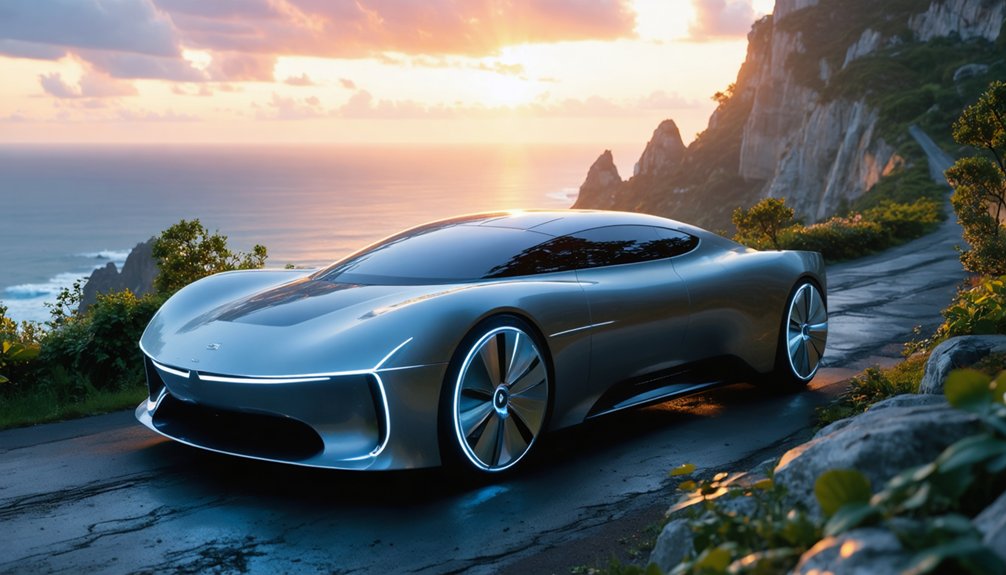
The automotive industry is shifting towards a more sustainable and technologically advanced future. In 2025, new cars will prioritize eco-friendliness, safety, and innovative design. Here’s what you can expect:
Cars will feature advanced safety systems, including sensor fusion and machine learning algorithms that enable vehicles to make informed decisions and react to their surroundings. This technology has the potential to significantly reduce accidents and save lives.
Eco-friendly powertrain options will become increasingly popular, with electric and hybrid technologies leading the way. These alternatives offer a reduced carbon footprint and lower emissions, making them an attractive choice for environmentally conscious drivers.
In-car experiences will also undergo a significant transformation, with seamless connectivity and personalized infotainment systems becoming the norm. Voice command technologies will allow drivers to control their vehicles and access various features without taking their eyes off the road.
Innovative design and ergonomic comfort features will provide enhanced driving comfort and support, making long-distance driving a more enjoyable experience. From adjustable seating to advanced climate control systems, every aspect of the vehicle will be designed with the driver’s comfort in mind.
To reduce electronic waste and keep vehicles relevant, manufacturers will focus on future-proof performance upgrades and software updates. This approach will enable cars to stay up-to-date with the latest technologies, reducing the need for frequent replacements and minimizing waste.
As the automotive industry continues to evolve, one thing is clear: the future of driving is sustainable, safe, and technologically advanced. As Luca de Meo, CEO of Renault, once said, “The car of the future will be electric, connected, and autonomous.” The 2025 new car lineup is set to deliver on this promise.
Advanced Autonomous Driving Systems
The Future of Driving: Advanced Autonomous Systems
By 2025, new car models will feature advanced autonomous driving systems as a standard component. Sensor fusion, a process that integrates data from multiple sensors, is at the core of these systems. This enables vehicles to have a thorough understanding of their environment, facilitating a seamless driving experience that connects drivers with the technology they rely on.
Machine learning algorithms play a vital role in refining these systems, allowing vehicles to learn from diverse road scenarios and adapt accordingly. By continuously processing data, these algorithms enhance the vehicle’s decision-making capabilities, ensuring reliable and efficient autonomous driving.
The Intersection of Sensor Technology and Machine Learning
The combination of sensor technology and machine learning creates a sophisticated automotive environment. As vehicles learn from experience, they develop a nuanced understanding of the world around them. This enables advanced autonomous systems to navigate complex road scenarios with ease, providing drivers with a sense of security and trust.
The future of driving is about creating a harmonious relationship between humans and technology. Advanced autonomous systems are the key to unlocking this future, providing a safer, more efficient, and more enjoyable driving experience.
In this context, the development of advanced autonomous driving systems is crucial for the automotive industry. By leveraging sensor fusion and machine learning, vehicle manufacturers can create systems that not only improve safety but also enhance the overall driving experience.
As these systems continue to evolve, we can expect to see significant advancements in the world of autonomous driving.
Enhanced Safety Technologies
Redefined Road Safety: 2025’s Vehicle Models
Next-generation vehicle models promise to integrate advanced safety features that set a new standard for road safety. These innovations include sophisticated collision avoidance systems that significantly minimize the risk of accidents. Using a combination of sensors and cameras, vehicles can predict potential hazards, greatly reducing the likelihood of collisions.
Advanced Pedestrian Detection Technology
Pedestrian detection technology has become a crucial feature in modern vehicles. This system identifies pedestrians and cyclists, alerting drivers to their presence and promoting a safer environment for all road users. By increasing driver awareness, this technology reduces the risk of accidents involving vulnerable road users.
A Shared Commitment to Safety
As advanced safety technologies become standard, they reflect a collective commitment to ensuring safety and security on our roads. By prioritizing safety, drivers, passengers, and pedestrians can feel more confident in the journey ahead.
According to the National Highway Traffic Safety Administration (NHTSA), advanced safety features like automatic emergency braking and lane departure warning systems can reduce the risk of accidents by up to 50%.
As the automotive industry continues to evolve, we can expect even more innovative safety solutions to emerge, shaping a safer future for all road users.
Evolving Safety Features for a Safer Tomorrow
The integration of advanced safety technologies in 2025’s vehicle models represents a significant step forward in road safety.
With the continued development of innovative safety features, we can expect to see a reduction in accidents and a safer driving environment for all.
Eco-Friendly Powertrain Options
The automotive industry is shifting towards eco-friendly powertrain options, driven by the need to reduce carbon emissions and promote sustainability. By 2025, electric vehicles are expected to be at the forefront of this change, with manufacturers focusing on developing efficient and sustainable alternatives to traditional combustion engines.
Hybrid technology is also playing a crucial role in this transition, offering a versatile approach that combines the benefits of conventional and electric models. This allows consumers to enjoy improved fuel economy and reduced environmental impact without sacrificing performance.
As these technologies become more mainstream, they are not only transforming the automotive industry but also uniting communities around a shared goal of sustainability and environmental stewardship. The importance of this shift cannot be overstated, as it reflects a collective commitment to reducing our carbon footprint and creating a greener future.
By investing in eco-friendly powertrain options, we can significantly reduce greenhouse gas emissions and mitigate the impact of climate change.
Sustainable Powertrain Options
The development of sustainable powertrain options is a critical step towards reducing our reliance on fossil fuels and promoting a more environmentally friendly transportation system. Electric vehicles, in particular, offer a promising solution, with many manufacturers already investing heavily in this technology.
Hybrid models, which combine conventional engines with electric motors, are also gaining popularity, offering a more efficient and sustainable alternative to traditional combustion engines.
As the demand for eco-friendly powertrain options continues to grow, manufacturers are responding with innovative solutions that prioritize sustainability and performance. Consumers, too, are playing a crucial role in driving this change, with many opting for electric or hybrid vehicles as a way to reduce their environmental impact.
By working together, we can create a more sustainable transportation system that benefits both people and the planet.
“By investing in eco-friendly powertrain options, we are not only reducing our carbon footprint but also paving the way for a more sustainable future.”
Seamless Connectivity and Infotainment
The Rise of Seamless Connectivity in Vehicles
As the automotive industry shifts towards eco-friendly powertrain options, another trend is transforming the driving experience: seamless connectivity and advanced infotainment systems. By 2025, vehicles will become extensions of personal devices, thanks to seamless smartphone integration. This innovation meets the growing demand for constant connectivity, allowing drivers to access apps, routing, and media with ease.
Hands-Free Operation for a Safer Drive
Advanced voice command technology plays a crucial role in this integration, enabling hands-free operation and minimizing distractions. This feature is particularly important, as it promotes a safer driving experience.
By connecting with consumers who value innovation and connectivity, the integration of technology in vehicles aligns with societal evolution. Drivers can now remain linked to their digital ecosystems, creating a harmonious blend of mobility and connected lifestyles.
A New Era of Infotainment
The integration of technology in vehicles is not just about convenience; it’s about creating a more enjoyable driving experience. With access to a wide range of apps and media, drivers can stay entertained and informed on the go.
This trend is set to continue, with manufacturers investing heavily in the development of advanced infotainment systems. The car is becoming a mobile device on wheels, and we’re seeing a shift towards a more connected and personalized driving experience.
The Future of Connectivity
As the demand for seamless connectivity continues to grow, manufacturers are responding with innovative solutions. From advanced voice command technology to seamless smartphone integration, the future of connectivity in vehicles looks bright.
With a focus on safety, convenience, and entertainment, the integration of technology in vehicles is set to revolutionize the driving experience.
Personalized In-Car Experiences
The automotive industry has made significant strides in tailoring vehicles to individual drivers’ preferences, giving rise to a new era of in-car experiences. Modern vehicles now boast customized interfaces that adapt to a driver’s habits, making every drive more comfortable and convenient. By learning from user behavior, these interfaces automatically adjust settings like seat position, climate control, and entertainment options. This level of personalization creates a sense of familiarity, making drivers feel like their vehicles understand their needs.
With the integration of AI-driven technology, cars can now provide real-time suggestions, optimizing each trip for efficiency and enjoyment. For instance, some vehicles use machine learning algorithms to analyze traffic patterns and suggest alternative routes, reducing travel time and minimizing stress. Others use natural language processing to understand voice commands, allowing drivers to control their infotainment systems without taking their eyes off the road.
This level of personalization not only improves the driving experience but also strengthens the bond between driver and vehicle. As drivers spend more time in their cars, they begin to appreciate the little things that make their vehicle feel like home. By providing a tailored experience, car manufacturers can create a loyal customer base and set themselves apart in a crowded market.
Personalization is no longer a luxury, it’s an expectation. Car manufacturers that prioritize individuality will be the ones to succeed in the long run.
As the automotive industry continues to evolve, it’s clear that personalized in-car experiences will play a major role in shaping the future of driving. By combining cutting-edge technology with a deep understanding of human behavior, car manufacturers can create vehicles that truly understand and cater to their drivers’ needs.
2025’s New Cars Redefine Comfort and Sustainability
The latest crop of vehicles embodies a perfect blend of style and substance, showcasing the industry’s shift towards eco-friendly design and comfort features. A notable trend is the use of sustainable materials throughout the interior, including recycled components and environmentally responsible fabrics. This reduces waste and appeals to consumers who prioritize green living.
In addition to their reduced environmental footprint, these cars boast advanced ergonomic seating that redefines long-distance travel comfort. The latest seat adjustments allow for customized support, accommodating diverse needs and preferences to create an inclusive driving experience.
The seamless fusion of these elements transforms the driving experience into a sanctuary on wheels, where drivers and passengers can relax and enjoy the ride.
This thoughtful design demonstrates a deep understanding of human needs and a commitment to shared well-being, setting a new standard for the industry.
Future-Proof Performance Upgrades
The 2025 models are engineered to stand the test of time, thanks to forward-thinking performance upgrades that adapt to changing consumer needs. With advanced performance tuning capabilities, drivers can customize their driving experience to suit their preferences and environmental conditions.
The integration of seamless software updates ensures that these vehicles stay ahead of the curve, continuously improving their capabilities without the need for physical modifications. This focus on upgradability not only extends the lifespan of the vehicle but also fosters a sense of community among owners who value staying current with the latest technological advancements.
By prioritizing future-proofing, manufacturers provide consumers with peace of mind, knowing that their vehicle investment will remain relevant in the rapidly evolving automotive landscape.
“The future of automotive innovation is not just about staying ahead of the curve, but also about creating a sense of belonging among our customers.” This commitment to upgradability is a key factor in the development of the 2025 models, designed to meet the evolving needs of drivers and the environment.
The ability to upgrade and improve vehicle performance without physical modifications is a significant advantage in the modern automotive market. It not only reduces electronic waste but also ensures that vehicles remain safe and efficient, with the latest software updates and security patches.
As the automotive industry continues to evolve, the importance of future-proofing will only continue to grow, making the 2025 models a savvy investment for drivers looking to stay ahead of the curve.
Conclusion
The Evolution of 2025 New Cars: A Focus on Safety, Sustainability, and Innovation
The automotive industry in 2025 prioritizes safety, efficiency, and sustainability. Advanced autonomous driving systems are transforming the driving experience, emphasizing the importance of protecting passengers and the environment.
Eco-friendly powertrains, designed to reduce emissions and minimize environmental impact, have become a staple in modern vehicles. These powertrains are not only better for the planet, but they also provide a smoother and quieter driving experience.
Seamless connectivity and personalized in-car experiences have revolutionized the way we interact with our vehicles. Voice-activated assistants, touchscreen displays, and mobile apps enable drivers to customize their driving experience, making every journey more enjoyable.
Innovative design and comfort are also essential features in 2025 new cars. Manufacturers focus on crafting vehicles that are not only visually stunning but also ergonomically designed to provide maximum comfort and support during long drives.
Future-proof performance upgrades ensure that vehicles remain efficient and effective over time. By incorporating advanced technologies and materials, manufacturers can guarantee a vehicle’s longevity and adaptability in an ever-changing market.
Collectively, these features represent a forward-thinking approach to automotive design, setting new standards for modern vehicles. The 2025 new cars embody a perfect blend of innovation, sustainability, and performance, redefining the driving experience for a better tomorrow.